What's included in the skip-the-line ticket?
Priority entry past the ticket-office queue and access to the whole archaeological site — the Library of Celsus, the Great Theatre, Curetes Street, the Temple of Hadrian and the public monuments — plus the bundled Ephesus Experience Museum. The ticket is open-dated, so you choose your own day.
Is the ticket for a specific time slot?
No. The adult ticket is open admission — valid during opening hours on the day you visit, with no fixed time slot. We issue an open-dated e-ticket so you can arrive whenever suits you and walk straight in.
Are the Terrace Houses included, or separate?
Separate. The Terrace Houses are behind their own gate inside the site and need an additional ticket on top of your site entry. Add the Terrace Houses option to your booking and use both on the same visit — the houses are one of the highlights of Ephesus.
Do I need to print my ticket?
No. Your e-ticket carries a QR code that is scanned from your phone at the gate — just show it on screen. There is nothing to print.
What is the Ephesus Experience Museum?
An immersive multimedia show, included with your site ticket, that reconstructs Ephesus at the height of its Roman prosperity using large-scale projection and sound. It is a short walk from the site and complements the ruins with a vivid picture of the living city.
How long does a visit take?
Allow about 2 to 3 hours for the main site — the Library, the Great Theatre, Curetes Street and the monuments — plus 45 to 60 minutes if you add the Terrace Houses, and a little more for the Ephesus Experience Museum.
Which gate should I use?
The site has an Upper Gate and a Lower Gate. Entering at the Upper Gate and walking downhill to the Lower Gate is easiest, as the main street slopes gently down — a real advantage in the Aegean heat. Your open-date ticket works at either gate.
How do I get to Ephesus?
The site is about 3 km from Selçuk, the nearest town and railway station, around 18 km from the cruise port of Kuşadası, and about an hour south of İzmir. A taxi, minibus (dolmuş) or organised tour covers the last stretch; many visitors arrive by cruise excursion or day tour.
When is the best time to visit?
Arrive at opening or in the late afternoon to avoid the cruise-day crowds and the worst of the heat, which peak around midday in summer. Spring and autumn are the most comfortable seasons. Because the ticket is open-dated, you can simply choose a cooler, quieter day.
Is there shade, and what should I bring?
There is almost no shade on the open site. Bring water, a hat, sunscreen and comfortable shoes for the uneven marble paving, especially from late spring to early autumn. The Terrace Houses are roofed, so they offer a cooler break midway through the visit.
Is Ephesus accessible for visitors with limited mobility?
Only partly. The main marble street is broadly walkable but uneven, with slopes and some steps, while the Terrace Houses are reached by stairs and raised walkways. Parts of the site are difficult for wheelchair users. If mobility is a concern, contact us before booking and we will confirm the current arrangements.
Can I change the date of my visit?
Your ticket is open-dated, so for most visits you simply turn up on the day you choose during opening hours. If you have any concern about your plans, reply to your confirmation email and our concierge team will help.
Is Ephesus suitable for children?
Yes. A vast theatre to climb, marble streets to explore and a real ancient city capture children's imaginations. Note the uneven paving, the open sun and the lack of shade, so bring water and hats and keep younger children close on the steps and in the theatre.
What is Ephesus?
Ephesus is one of the best-preserved classical cities in the Mediterranean, near Selçuk on Türkiye's Aegean coast. A major Greek and then Roman city, it was a provincial capital, port and early-Christian centre. Its marble streets, the Library of Celsus, a 25,000-seat theatre and the Terrace Houses survive in remarkable completeness. It was inscribed on the UNESCO World Heritage List in 2015.
Is Ephesus a UNESCO World Heritage Site?
Yes. Ephesus was inscribed on the UNESCO World Heritage List in 2015 for its exceptional record of Hellenistic and Roman urban life and its importance in religious history, as one of the great cities of the ancient world.
What is there to see at Ephesus?
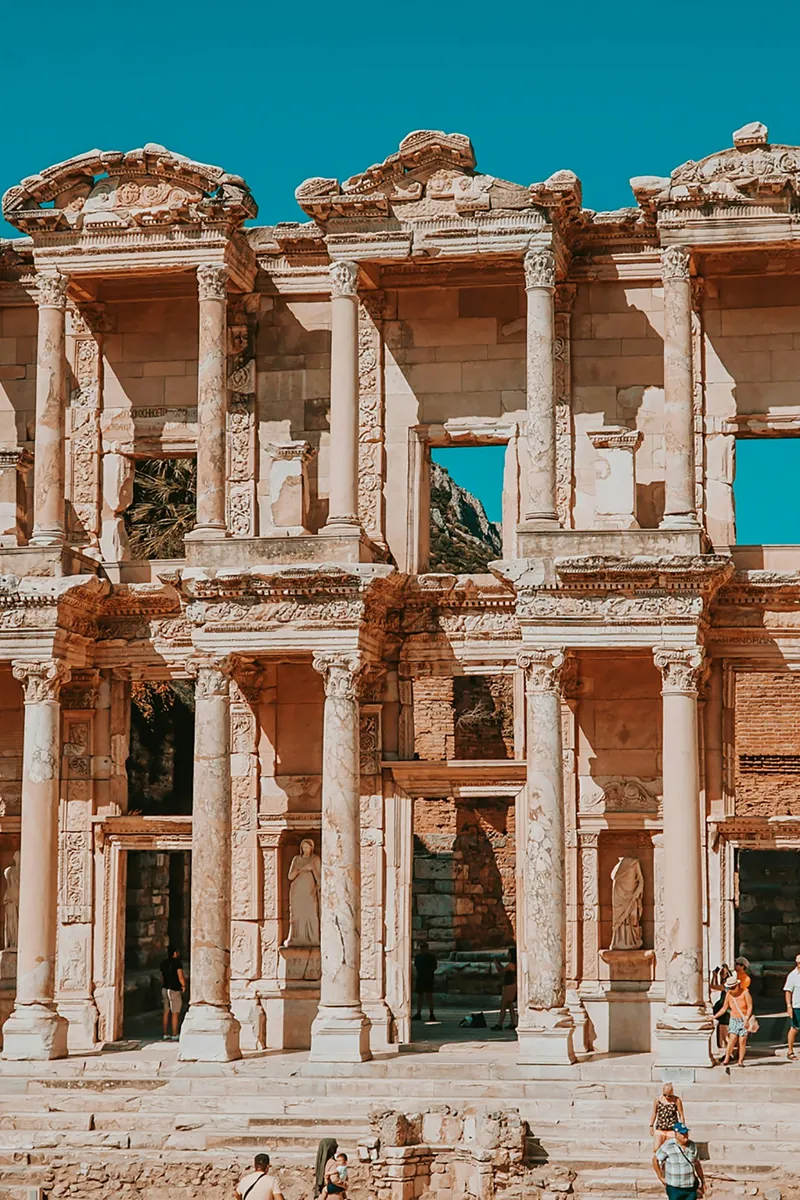
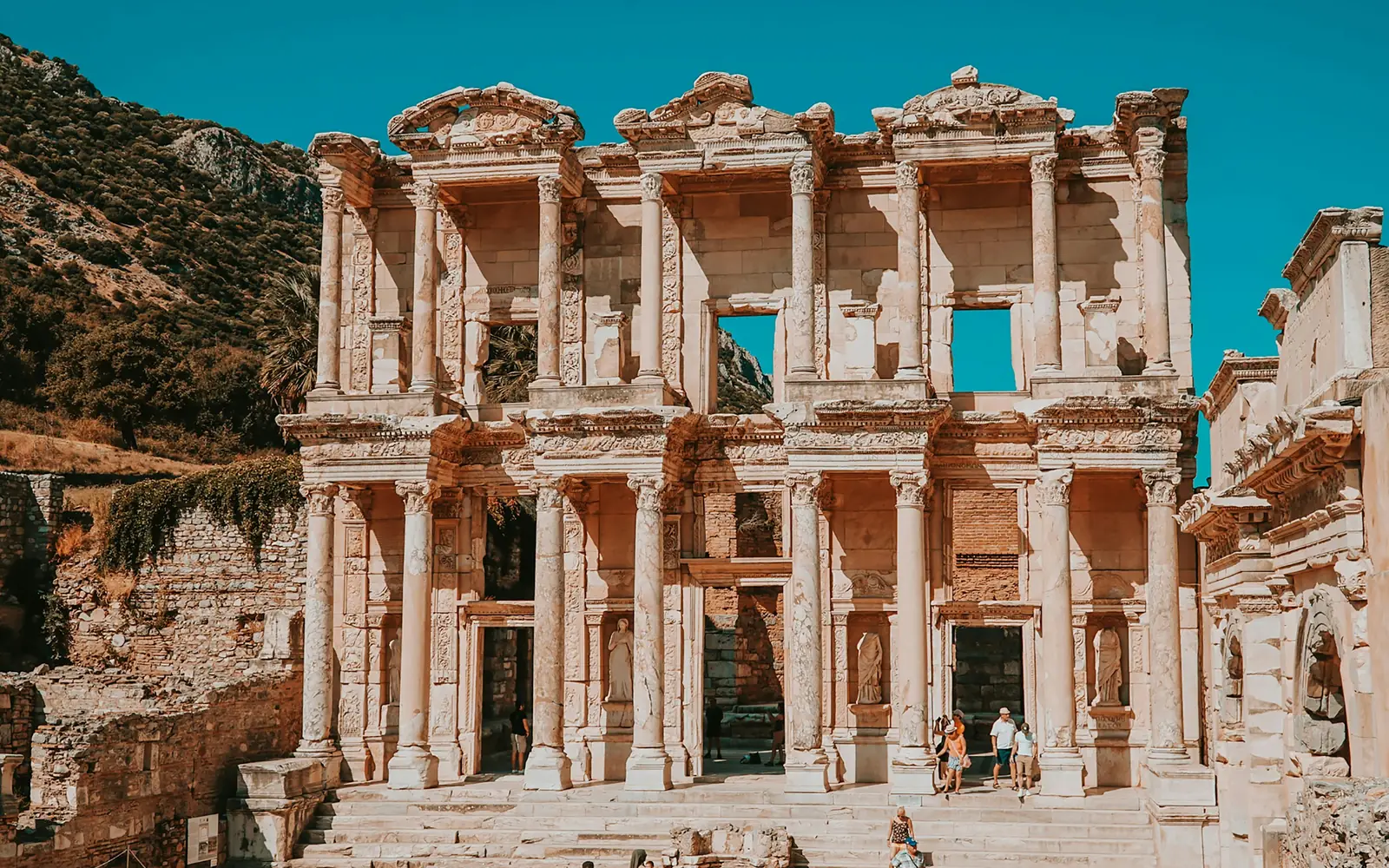
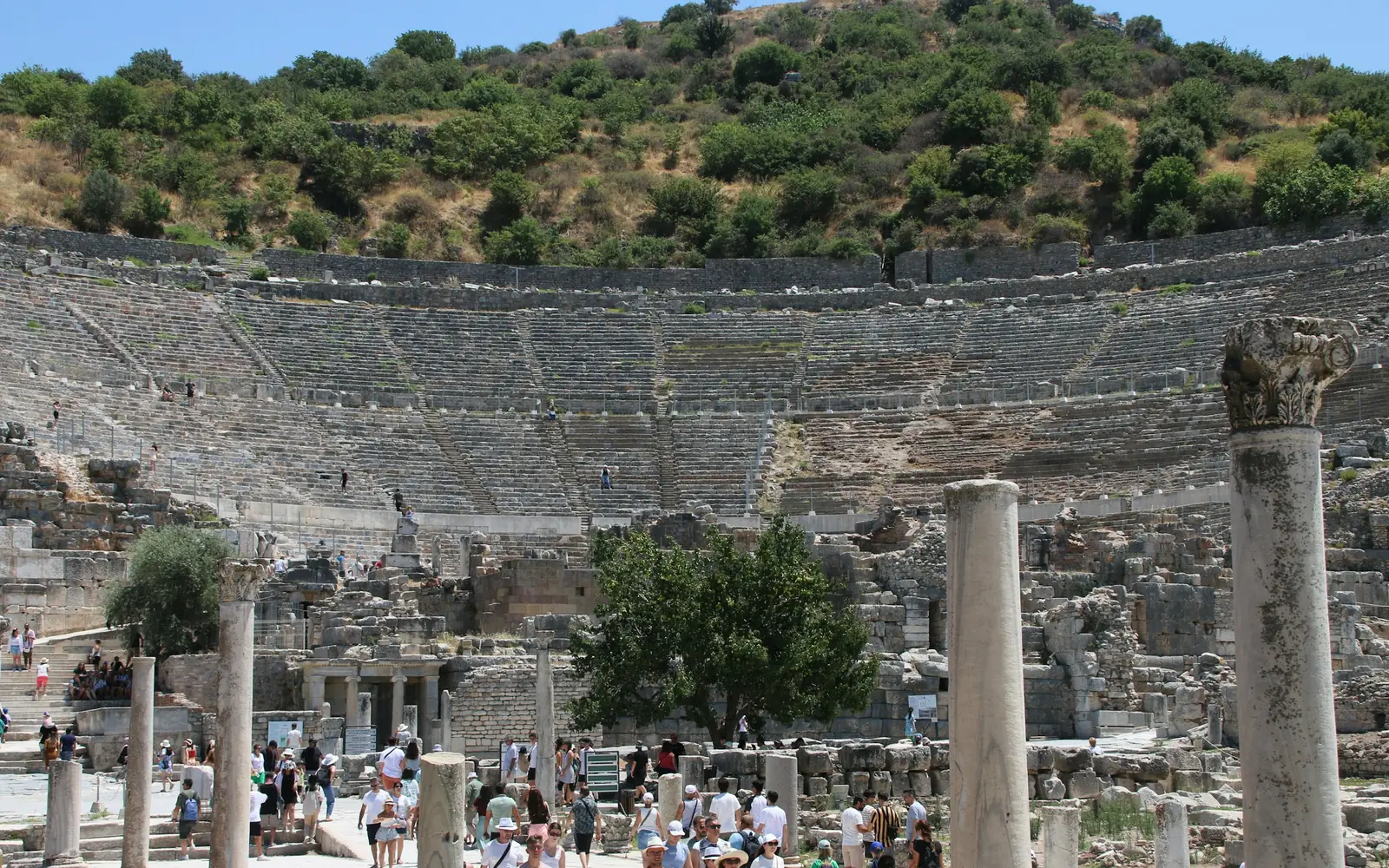
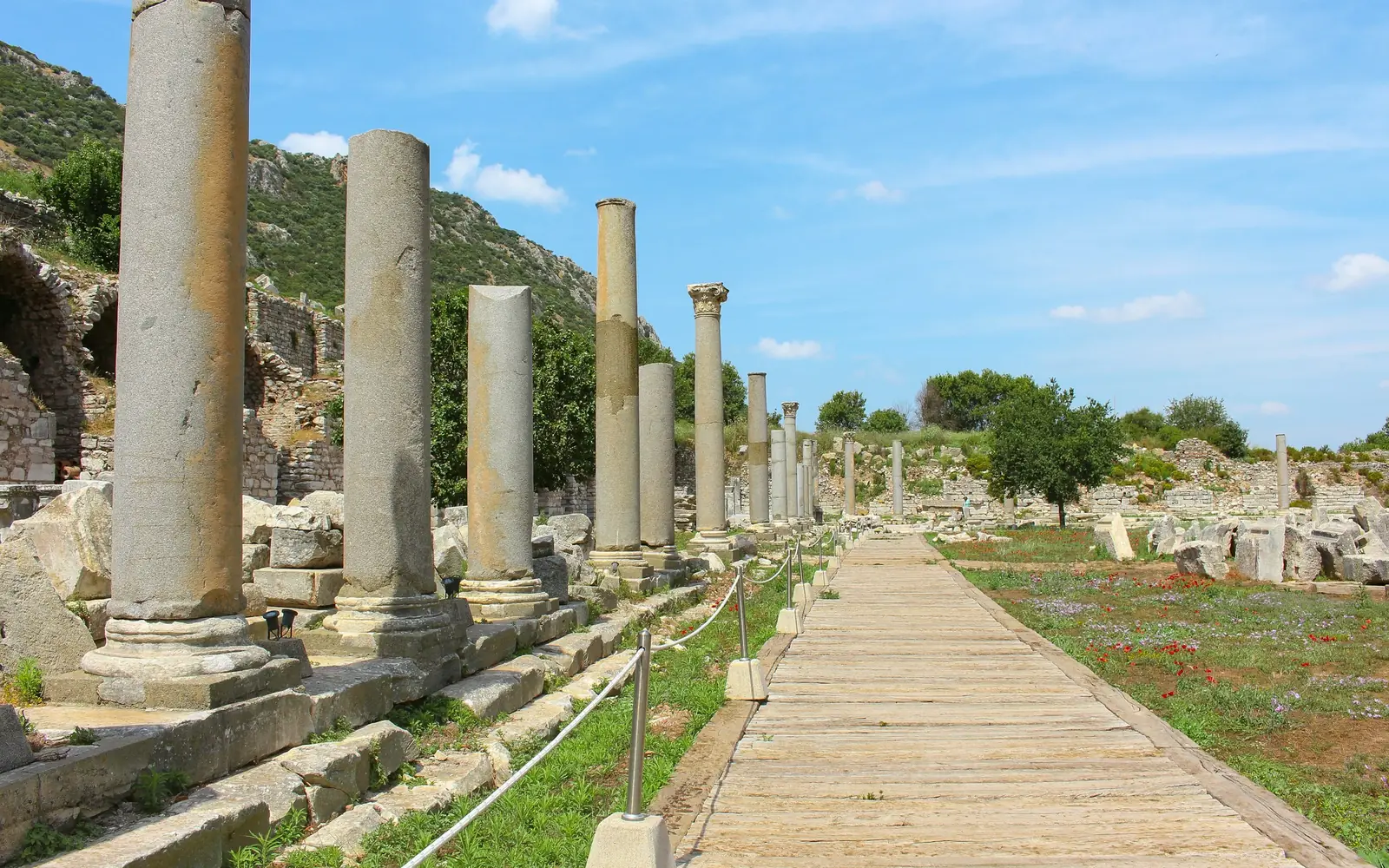
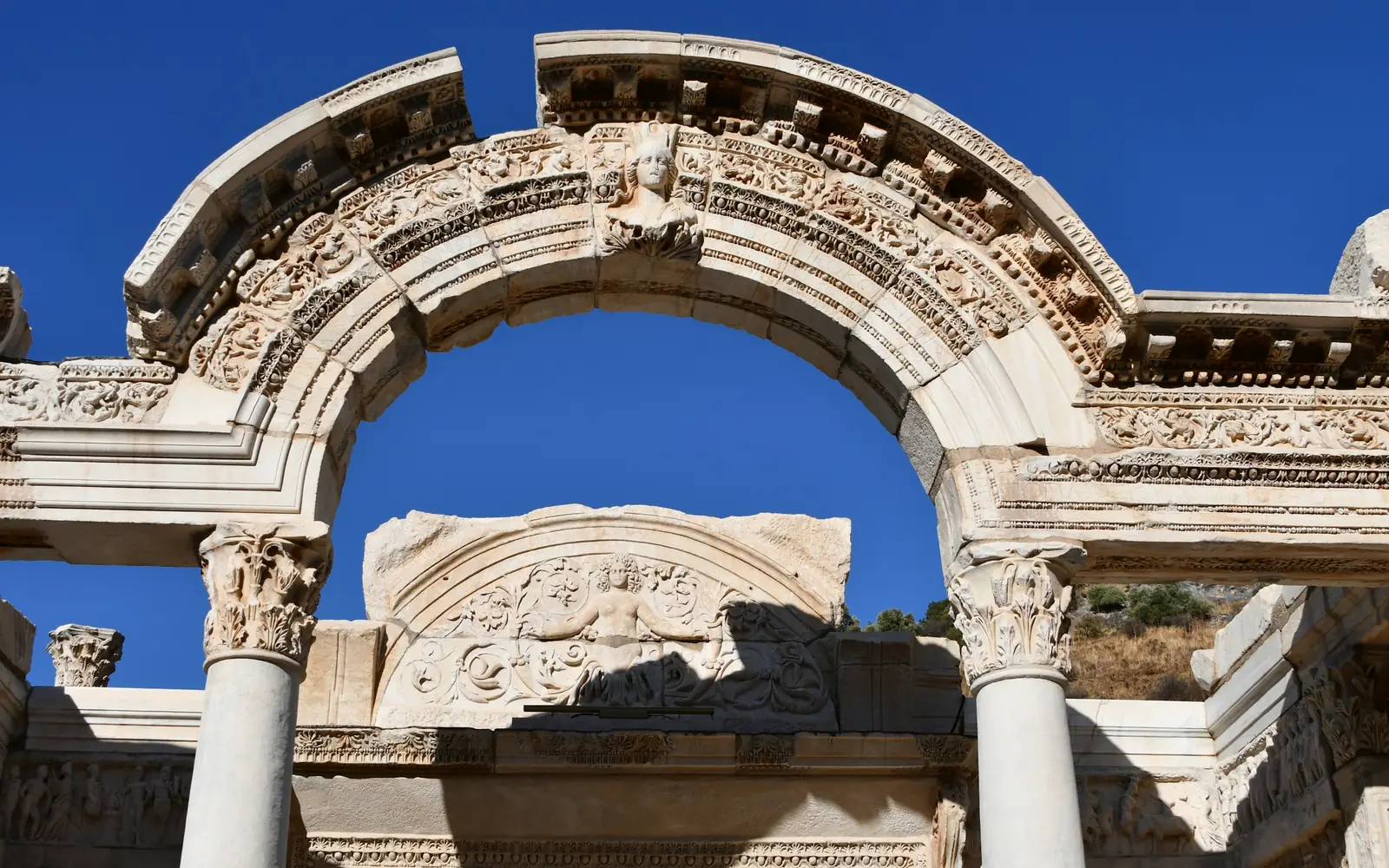
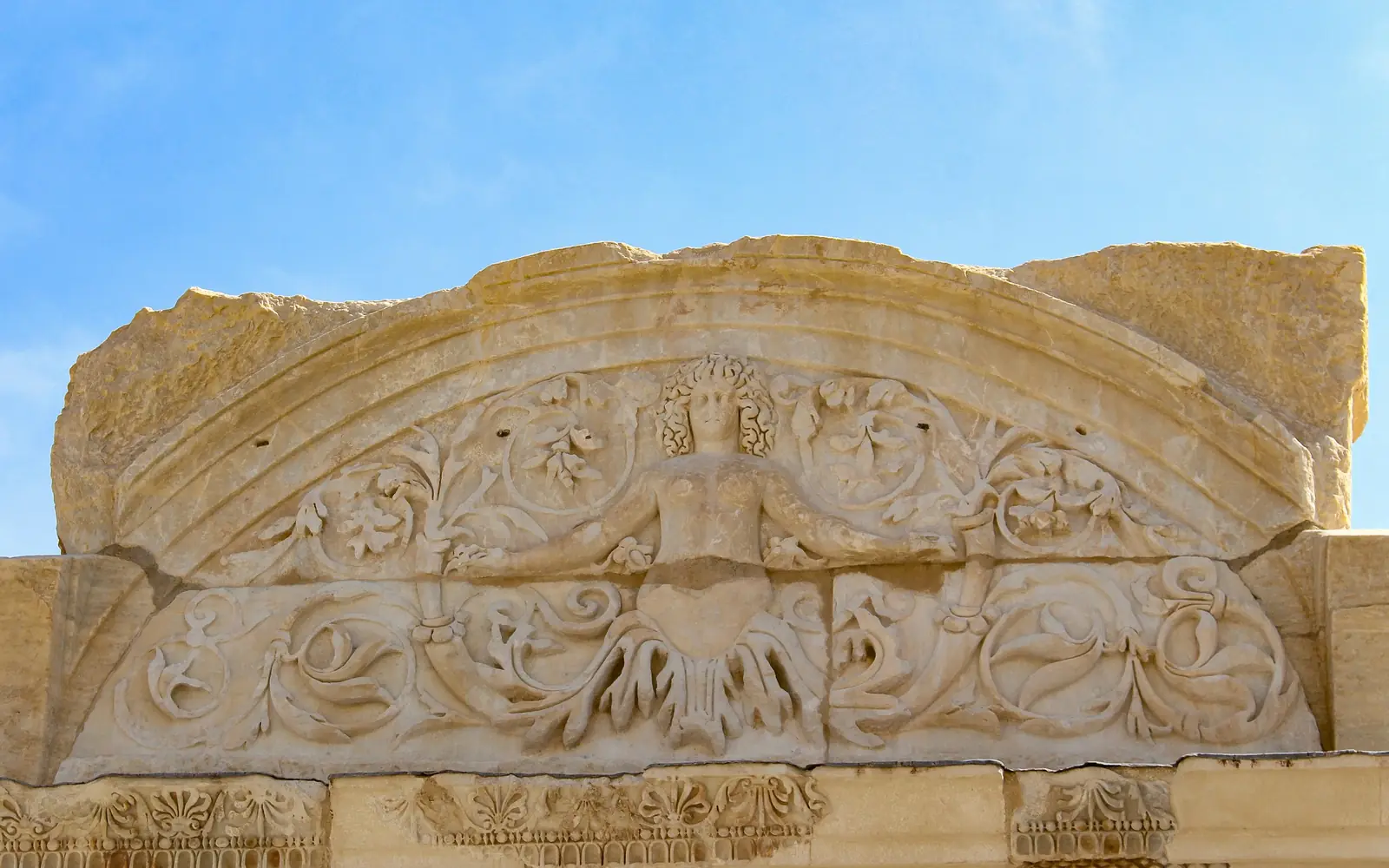
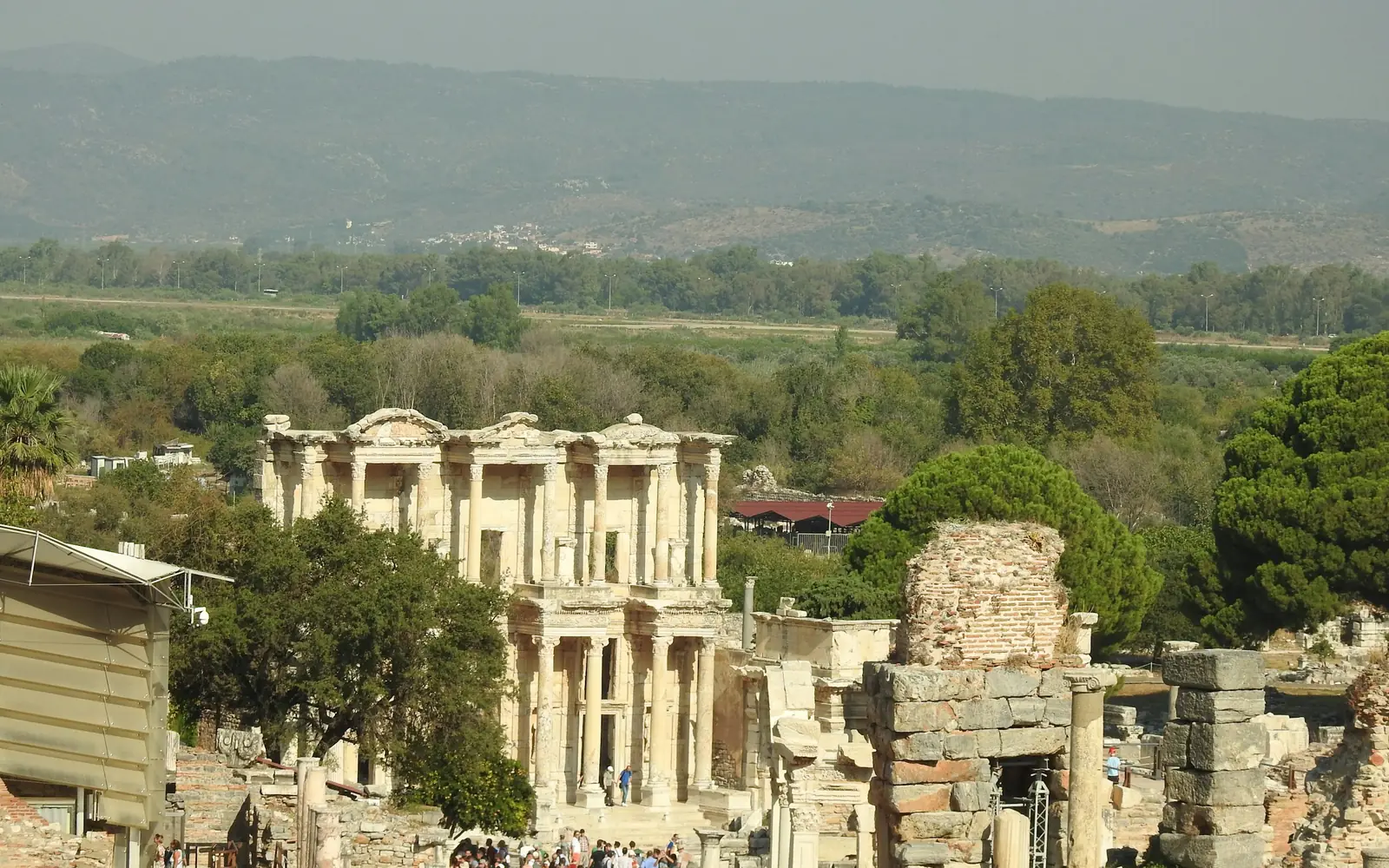
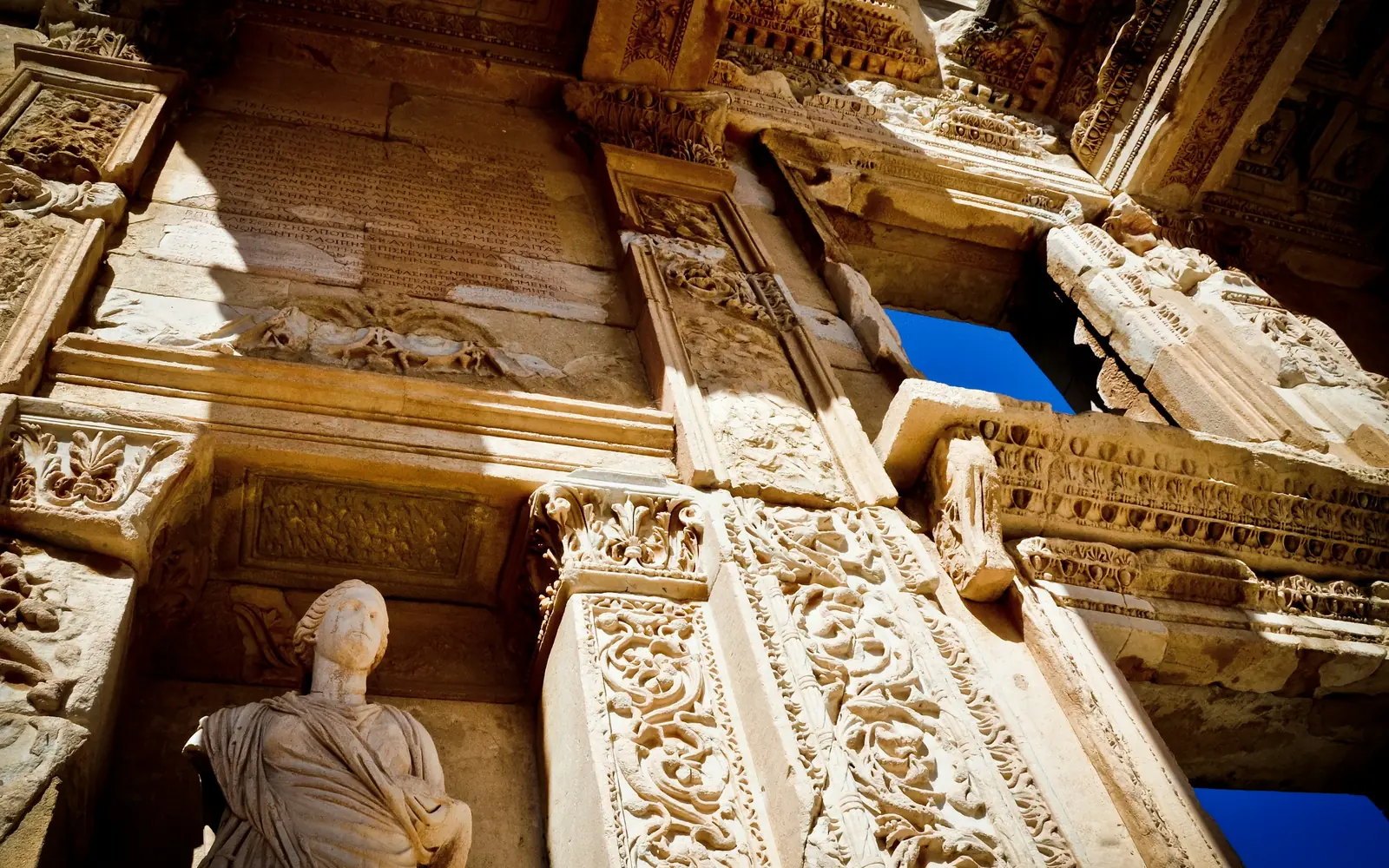
The highlight of Ephesus is the Library of Celsus, its two-storey marble facade rebuilt from the original fragments and framed by statues of wisdom, knowledge, intelligence and virtue. From there, the colonnaded Curetes Street runs past the Temple of Hadrian, ornate public fountains, communal latrines and shop foundations, laying out daily Roman life. The Great Theatre, cut into Mount Pion with seating for around twenty-five thousand, is the largest monument and is where the apostle Paul is said to have preached. The separately ticketed Terrace Houses preserve mosaics and frescoes in the homes of wealthy citizens, under a protective roof. The visit also includes the immersive Ephesus Experience Museum, which reconstructs the city at its height. Nearby stand the Temple of Artemis, one of the Seven Wonders now reduced to a single column, and the Basilica of St John in Selçuk.
Is Ephesus worth visiting?
Ephesus is emphatically worth visiting, and it stands among the essential archaeological sites of the ancient world. Few classical cities survive so completely: instead of scattered stones, you walk the marble streets of a Roman provincial capital, between standing columns, temples, fountains and a theatre that seated around twenty-five thousand. The Library of Celsus facade is one of the great images of antiquity, and the separately ticketed Terrace Houses preserve mosaics and frescoes in the actual homes of Roman citizens. The city's place in early Christianity, tied to the apostle Paul, adds another layer of significance, recognised when UNESCO inscribed Ephesus on the World Heritage List in 2015. The setting near Selçuk, within reach of the Temple of Artemis, the Basilica of St John and the coast at Kuşadası, makes it an easy and rewarding centre for a day or more in the Aegean.
How long do you need at Ephesus?
Allow about two to three hours for the main site at Ephesus, taking in the Library of Celsus, the Great Theatre, Curetes Street, the Temple of Hadrian and the public monuments at an unhurried pace as you walk downhill from the Upper Gate to the Lower Gate. Add a further forty-five to sixty minutes if you include the separately ticketed Terrace Houses, whose mosaics and frescoes reward slow looking, plus a little more time for the immersive Ephesus Experience Museum bundled with the site ticket. Visitors with a deep interest in archaeology can happily spend half a day here. Because the site is large, open and almost entirely unshaded, it is worth building in short pauses for water and shade, especially in summer. Planning to arrive at opening lets you cover the main monuments before the midday heat and the cruise-day coaches converge.
When is the best time to visit Ephesus?
The best time to visit Ephesus is the first hour after opening or the late afternoon, ideally in spring or autumn. April, May, September and October bring warm but bearable weather, long daylight and thinner crowds. Midsummer afternoons regularly exceed thirty-five degrees Celsius, and with almost no shade the pale marble makes the open streets feel hotter still, so an early start is essential in July and August. The site is busiest between roughly 10:00 and 14:00, when cruise excursions from Kuşadası and tour coaches arrive together, so a morning or late arrival gives you calmer, cooler streets and softer light on the Library of Celsus. Winter is mild, quiet and occasionally wet, but the site stays open daily. Because the standard Ephesus ticket is open-dated, you can simply choose a cooler, quieter day and arrive when it suits you.
Is the Ephesus ticket open-dated or for a fixed time slot?
Open-dated. The standard admission is valid during opening hours on the day you visit, with no fixed entry time. We issue an open-dated QR e-ticket so you can choose your own day and walk straight in past the queue, showing it on your phone.
Which ticket should I book?
Book the adult site ticket for entry to the whole archaeological city and the bundled Ephesus Experience Museum. Add the Terrace Houses option if you want to see the patrician homes with their mosaics and frescoes — it is a separate gated area that requires a site ticket as well. Both are open-dated.
Are the Terrace Houses worth the extra ticket?
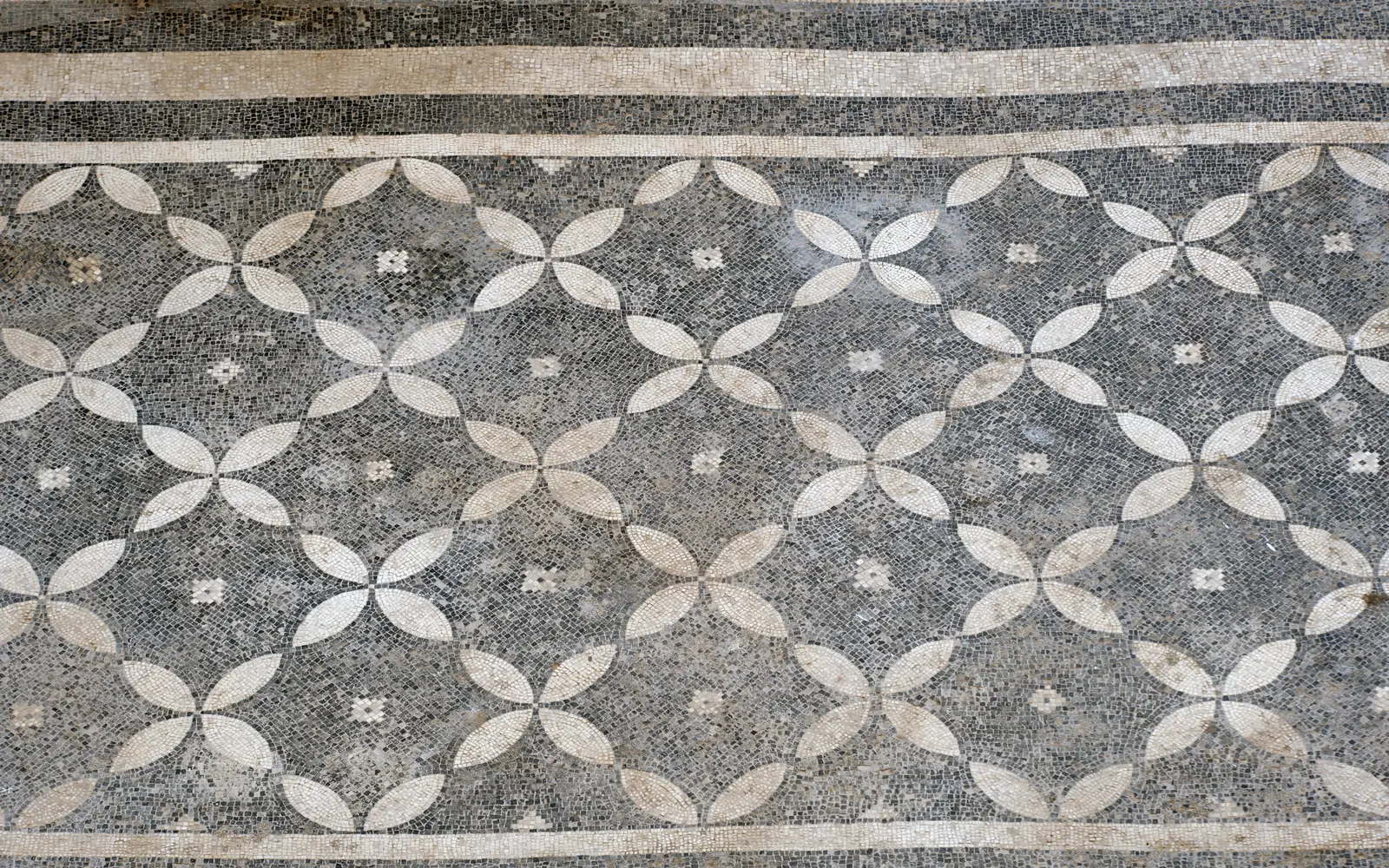
For most visitors, yes. The Terrace Houses preserve mosaics, frescoes and marble interiors in place under a protective roof, showing how wealthy Romans lived in extraordinary detail. They are quieter and cooler than the open site and are one of its highlights. They need an additional ticket on top of site entry.
How hot does it get, and what should I bring?
The site is open and almost entirely unshaded, so from late spring to early autumn the midday heat is intense. Bring water, a hat, sunscreen and comfortable shoes for the marble paving, visit early or late, and use the roofed Terrace Houses as a cooler break.
How do I get there without my own car?
Take a train to Selçuk, the nearest station, then a short taxi to the gate; come by minibus (dolmuş) or taxi from Kuşadası, about 25–30 minutes; or join an organised tour that handles the transport. İzmir is about an hour away by car or train to Selçuk.
Is Ephesus wheelchair accessible?
Only partly. It is an open hillside site with uneven ancient paving, slopes and some steps, and the Terrace Houses are reached by stairs. Much of it is difficult for wheelchair users. Contact us in advance and we will confirm the current arrangements and which sections are reachable.